 Subscription box



Your bag is empty


Posted: 26 May 2026
6 Minute ReadSkin Barrier 101: Tight, Red, Reactive Skin? Your Barrier Needs Resetting

If your skin suddenly feels tight, stings when you apply products that used to be fine, or breaks out in places it never has before, you're probably not looking at a new skin problem. You're looking at a barrier problem. Here's what's actually happening, and the Korean routine that helps it heal.
The skin barrier sits in the top 0.02mm of your face. It's a thin, brick-and-mortar layer of dead skin cells held together by a lipid matrix made of ceramides, cholesterol, and fatty acids. When that matrix is intact, your skin holds onto water, keeps irritants out, and tolerates most of what you put on it. When it's depleted (over-exfoliation, harsh actives, weather, hot water, even stress), the bricks come loose, water escapes, irritants get in, and the skin you thought you knew suddenly behaves like a stranger.
This isn't rare. In a 2024 UK consumer survey, 61% of women aged 25 to 44 reported experiencing at least one bout of "sensitised skin" in the past year, and the number was rising. Part of the reason is the rise of strong actives (retinoids, exfoliating acids, vitamin C) in mainstream routines, often layered without enough recovery support in between. The Korean approach treats this differently. Barrier care is the starting point, not the rescue plan.
What your skin barrier actually does
Three jobs, all running at once, every second of the day. When the barrier is healthy, you don't notice them. When it's not, you notice all three.
Locks in water
The lipid matrix prevents transepidermal water loss. Without it, hydration evaporates faster than you can replace it.
Keeps irritants out
Pollution, allergens, and microbes are filtered at the surface. A compromised barrier lets them through, triggering inflammation.
Hosts your microbiome
A community of beneficial bacteria lives on the barrier. They keep pH balanced and crowd out the bacteria you don't want.
How a healthy barrier breaks down
Most barrier compromise is self-inflicted, not because anyone meant to damage their skin, but because modern routines stack more actives than the barrier can recover from between uses. The four most common culprits, in our experience working with the Skin Cupid community.
Over-exfoliation
Daily acids strip the lipid matrix faster than skin can rebuild it.
Strong actives
Retinoids and high-percentage vitamin C overload reactive skin.
Sun and weather
UV, wind, and cold weather all accelerate barrier breakdown.
Hot water and over-cleansing
High-pH foams and hot showers strip lipids in minutes.
fix the barrier first. everything else, including the glow you were chasing, follows from that.
Five signs your barrier is compromised
If three or more of these feel familiar, treat it as a barrier issue. Pause the actives, focus on recovery, and give your skin two to four weeks to reset before reintroducing anything strong.
Tightness
Skin feels stretched and uncomfortable, especially after cleansing.
Persistent redness
Flushing that doesn't settle, or new redness in cheeks and nose.
Stinging on application
Products that were fine last month now sting or burn going on.
Sudden breakouts
A barrier under stress overproduces oil, leading to congestion.
the barrier reset routine
6 Korean barrier-rescue picks under £100
Every product below is in stock at Skin Cupid, sorted in Korean routine layering order (cleanser, toner, ampoule, essence, cream, weekly mask). Click any card to shop.
1
 2
2
 3
3
 4
4
 5
5
 6
6

The cleanser that doesn't strip.
Best for skin typeAll, especially sensitive and reactive
Tackles concernTightness after washing, redness
Bonus benefitsPanthenol soothing, bamboo extract, low pH
PURITO
Mighty Bamboo Panthenol Cleanser (150ml)
A water-based cleanser built around panthenol (pro-vitamin B5) and bamboo extract. Removes the day without taking your barrier with it, and leaves skin comfortable rather than squeaky.
£12
Add to basket
The fermented toner that resets pH.
Best for skin typeReactive, redness-prone, dehydrated
Tackles concernInflammation, uneven texture
Bonus benefitsFermented centella, prebiotic, pregnancy safe
SKIN1004
Madagascar Centella Probio-Cica Essence Toner (210ml)
Centella asiatica is one of the most studied calming ingredients in Korean skincare, and fermentation makes it more bioavailable. Layers like water, calms like a balm.
£20.50
Add to basket
The redness-down treatment.
Best for skin typeSensitive, redness-prone, acne-flared
Tackles concernActive inflammation, flushing
Bonus benefits80% heartleaf, hyaluronic acid, panthenol
ANUA
Heartleaf 80% Soothing Ampoule (30ml)
Houttuynia cordata (heartleaf) is the Korean answer to active inflammation. Clinical testing showed a 4.89% reduction in redness after two weeks. The barrier rescue step on bad days.
£18
Add to basket
The probiotic essence for daily wear.
Best for skin typeAll, especially compromised barriers
Tackles concernDehydration, dullness, sensitivity
Bonus benefitsBlack rice ferment, probiotics, niacinamide-free
HARUHARU WONDER
Black Rice Probiotics Barrier Essence (120ml)
A milky, layerable essence built around fermented black rice and probiotics. Supports the microbiome that sits on top of the barrier, with a gentle brightening edge that doesn't rely on niacinamide.
£21
Add to basket
The everyday lock-in moisturiser.
Best for skin typeAll, especially dehydrated and irritated
Tackles concernDryness, tightness, scaly patches
Bonus benefitsOat complex, panthenol, lightweight gel finish
PURITO
Oat-In Calming Gel Cream (100ml)
Colloidal oat is one of the most evidence-backed soothers in dermatology, and this gel-cream pairs it with panthenol for daily barrier support that doesn't feel heavy. The everyday workhorse.
£16
Add to basket
The weekly intensive reset.
Best for skin typeAll, especially flared and post-procedure
Tackles concernAcute redness, heat, post-irritation
Bonus benefitsCentella, tea tree, guaiazulene cooling
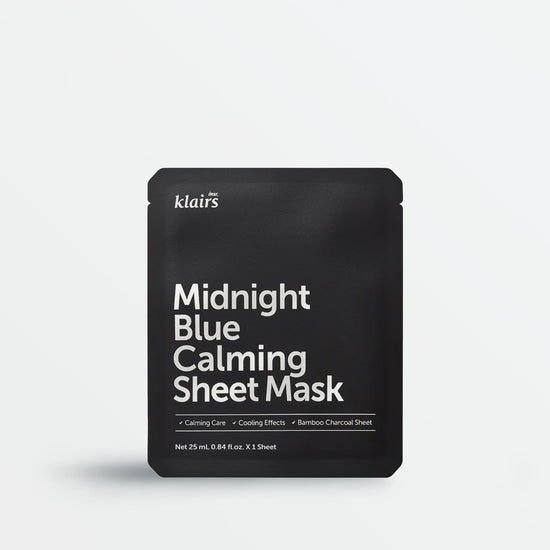
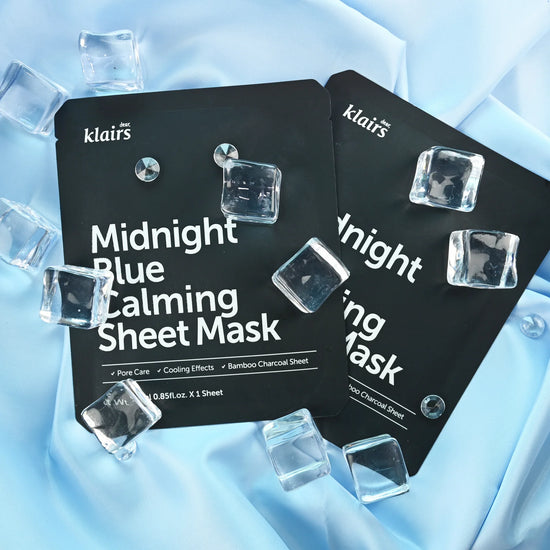
DEAR KLAIRS
Midnight Blue Calming Sheet Mask (25ml)
Allure Korea Best of Beauty winner. The mask version of an emergency calm-down, with guaiazulene giving it the signature blue tint. Use weekly, or on the day skin feels close to a flare.
£2.80
Add to basket
Frequently asked questions
What is a compromised skin barrier?
A compromised skin barrier is one where the outermost layer of your skin (the stratum corneum) can no longer effectively hold water in or keep irritants out. The lipid matrix that seals skin cells together, made of ceramides, cholesterol, and fatty acids, has been depleted or disrupted, usually by over-exfoliation, harsh actives, hot water, or environmental stress. The result is tightness, redness, stinging, and skin that reacts to products it used to tolerate.
How do I know if my skin barrier is damaged?
Five reliable signs: skin feels tight or rough after cleansing, products that used to be fine now sting or burn, redness appears in places it didn't before, dehydration lines show up even when you're moisturising, and breakouts increase or get harder to clear. If three or more apply, treat it as a barrier issue first and pause active ingredients for two to four weeks.
How long does it take to repair a damaged skin barrier?
Most people feel a meaningful difference within two to four weeks of consistent barrier care. Mild compromise can resolve in days; more entrenched damage (chronic over-exfoliation, post-retinoid irritation) often takes six to eight weeks. The skin barrier's natural turnover cycle is roughly 28 days, so give any new barrier routine at least one full cycle before judging it.
What ingredients help repair the skin barrier?
Five evidence-backed barrier ingredients: ceramides (rebuild the lipid matrix), panthenol or pro-vitamin B5 (anti-inflammatory and humectant), centella asiatica or cica (calms redness, supports wound healing), heartleaf or houttuynia cordata (a Korean anti-inflammatory star), and oat extract or colloidal oatmeal (soothes and reduces transepidermal water loss). Probiotics and prebiotics also support the skin microbiome, which sits on top of the barrier.
Can I use actives like retinol or vitamin C with a damaged barrier?
Not until it's healed. Strong actives (retinoids, exfoliating acids, high-strength vitamin C) work by accelerating turnover or disrupting the surface, and a compromised barrier cannot tolerate that load. Pause actives for two to four weeks, focus on cleanser, hydration, and a barrier-supporting cream, then reintroduce one active at a time at a lower frequency.
Is K-beauty better for barrier repair than Western skincare?
Korean skincare prioritises the barrier as a first principle rather than an afterthought. The layered routine (cleanser, toner, essence, ampoule, cream) lets you deliver hydration and barrier-supporting ingredients in small, well-tolerated steps rather than one heavy product. Korean formulators also lean on barrier-friendly botanicals (centella, heartleaf, oat, rice, probiotics) that are gentle enough for daily use, which makes the category particularly well suited to reactive skin.